How Stress Contributes to Hair Loss and Growth Solutions
Nov 19, 2026
Overview
Experiencing hair thinning can be distressing, especially when stress plays a significant role. Understanding how stress affects hair growth and identifying personal stressors are vital steps in addressing hair loss. By implementing effective stress management techniques and nutritional support, you can promote healthier hair and overall well-being.
Table of Contents
- Understanding the Link Between Stress and Hair Loss
- Identifying Stressors That Impact Hair Growth
- Checklist for Identifying Personal Stressors
- How to Prevent Stress-Related Hair Loss
- Implement a Balanced Lifestyle
- Mindfulness and Relaxation Techniques
- Daily Routine for Stress Management
- Managing Stress for Hair Health
- Effective Stress Management Techniques
- Establishing a Support Network
- Starting a Meditation Practice
- Nutritional Support for Stress and Hair Health
- Essential Vitamins and Minerals for Hair Health
- A Balanced Diet to Improve Resilience to Stress
- Hydration's Role in Overall Health
- When to Seek Professional Help
- Indicators of Underlying Health Issues
- Support for Stress Management
- Consulting a Dermatologist
Pros and Cons
| Advantages of Managing Stress for Hair Health | Drawbacks of Stress-Related Hair Loss |
|---|---|
| Improved overall well-being through balanced lifestyle choices. | Increased hair shedding during stressful periods. |
| Effective stress management techniques can enhance mental clarity. | Potential for temporary hair loss conditions like telogen effluvium. |
| Strengthened relationships and support networks can alleviate stress. | Alopecia areata may worsen due to stress, leading to patchy hair loss. |
| Healthy diet and nutrition support resilience against stress. | Chronic stress can disrupt the hair growth cycle permanently if unmanaged. |
| Regular exercise promotes blood circulation, benefiting hair follicles. | Feelings of isolation may increase due to hair loss, exacerbating stress. |
Who It's For (And Not For)
Who It's For
- Individuals Experiencing Hair Loss: If you are noticing thinning hair or increased shedding, understanding the connection between stress and hair loss can be beneficial.
- People Under Chronic Stress: Those facing ongoing stress from work, relationships, or health concerns may find that managing stress is crucial for maintaining hair health.
- Health-Conscious Individuals: If you prioritize a balanced lifestyle, including exercise and nutrition, you are likely to benefit from the strategies outlined in this article.
- Those Open to Mindfulness Practices: If you are willing to incorporate mindfulness techniques like meditation and yoga into your routine, you can effectively manage stress and support hair growth.
Who It's Not For
- Individuals Uninterested in Lifestyle Changes: If you are not willing to make lifestyle adjustments or adopt new stress management techniques, the strategies may not be effective for you.
- People Seeking Quick Fixes: If you are looking for immediate solutions without addressing underlying stress factors, this article may not meet your needs.
- Those with Severe Health Issues: If you are experiencing significant health problems or severe hair loss, consulting a healthcare professional is recommended rather than relying solely on stress management techniques.
- Individuals Who Do Not Experience Stress: If stress is not a factor in your life or hair health, the information provided may not be relevant to your situation.
Frequently Asked Questions
1. How does stress affect hair loss?
2. What are common stressors that can impact hair growth?
3. What strategies can I use to manage stress for better hair health?
4. Which vitamins and minerals are essential for hair health?
5. When should I seek professional help for hair loss?
Understanding the relationship between stress and hair loss is crucial for anyone experiencing thinning hair. Stress can disrupt the delicate balance of the hair growth cycle, leading to noticeable hair loss. This article explores how stress impacts hair health, identifies common stressors, and provides actionable strategies for managing stress to promote hair growth.
Understanding the Link Between Stress and Hair Loss
Stress triggers a cascade of hormonal changes in the body, significantly affecting hair health. When you experience stress, your body releases hormones such as cortisol. Elevated cortisol levels can push hair follicles into a resting phase, leading to a condition known as telogen effluvium. This type of hair loss is often temporary but can be distressing.
Another condition associated with stress is alopecia areata, an autoimmune disorder that can cause patchy hair loss. In this case, the body's immune system mistakenly attacks hair follicles, often exacerbated by stress. Understanding these biological mechanisms is essential for effectively addressing stress-related hair loss.
The hair growth cycle consists of three phases: anagen (growth), catagen (transitional), and telogen (resting). Stress can disrupt this cycle, causing more hair follicles to enter the telogen phase prematurely. As a result, individuals may notice increased hair shedding, particularly during stressful periods. Recognizing this link between stress and hair loss empowers individuals to take proactive steps toward managing their stress levels.
Identifying Stressors That Impact Hair Growth
To combat stress-related hair loss effectively, it's crucial to identify the specific stressors in your life. Common sources of stress include:
- Work Pressure: High demands at work can lead to chronic stress, affecting overall well-being.
- Personal Relationships: Conflicts or tensions in relationships can contribute significantly to stress levels.
- Health Concerns: Worries about personal health or the health of loved ones can create ongoing stress.
Identifying your personal stressors can empower you to take action and implement changes that promote better hair health. One effective method is to keep a stress journal, where you can track your daily stressors and your reactions to them. This practice can help you pinpoint patterns and specific triggers, making it easier to address them.
Checklist for Identifying Personal Stressors
- List your daily activities and note which ones cause you anxiety or discomfort.
- Reflect on your relationships and identify any that may be sources of tension.
- Consider your work environment and any pressures that contribute to your stress.
- Keep track of your physical health concerns and how they affect your emotional state.
By recognizing these stressors, you can begin to develop strategies for managing them, which is essential for maintaining healthy hair growth. Understanding the impact of stress on your hair can be a significant first step toward reclaiming your hair health.
How to Prevent Stress-Related Hair Loss
Preventing stress-related hair loss requires proactive measures that address both the physical and emotional aspects of well-being. Here are some actionable strategies to help you maintain a healthy mane while managing stress effectively:
Implement a Balanced Lifestyle
A balanced lifestyle is crucial for mitigating the effects of stress on your body and hair. This includes:
- Regular Exercise: Engaging in physical activity can significantly reduce stress levels. Aim for at least 30 minutes of moderate exercise most days of the week. Activities like walking, jogging, or cycling improve your mood and enhance blood circulation, vital for healthy hair growth.
- Healthy Diet: Eating a well-rounded diet rich in vitamins and minerals supports overall wellness and resilience to stress. Focus on incorporating:
- Fruits and vegetables high in antioxidants (berries, spinach, carrots)
- Lean proteins (chicken, fish, legumes) that provide essential amino acids
- Healthy fats (avocados, nuts, olive oil) for scalp health
- Sleep Hygiene: Prioritize getting 7-9 hours of quality sleep each night. Establish a calming bedtime routine to help you unwind and prepare for restful sleep.
Mindfulness and Relaxation Techniques
Incorporating mindfulness and relaxation techniques into your daily routine can significantly lower stress levels. Consider the following practices:
- Meditation: Spend 10-15 minutes each day in meditation. Focus on your breath or use guided meditation apps to help you relax. This practice can enhance your mental clarity and reduce anxiety.
- Deep Breathing Exercises: Whenever you feel overwhelmed, practice deep breathing. Inhale deeply through your nose, hold for a few seconds, and exhale slowly through your mouth. Repeat this several times to calm your nervous system.
- Yoga: Engage in yoga sessions that incorporate stretching and breathing techniques. Yoga not only reduces stress but also improves blood flow to the scalp, promoting healthier hair follicles.
Daily Routine for Stress Management
Creating a daily routine that incorporates stress management techniques can help you stay grounded. Here’s a simple outline:
- Morning: Start your day with a few minutes of stretching or yoga. Follow this with a healthy breakfast that includes protein and fruit.
- Midday: Take short breaks during work to practice deep breathing or a brief walk. This helps clear your mind and reduce accumulated stress.
- Evening: Dedicate time to relaxation. Engage in activities you enjoy, such as reading, listening to music, or practicing mindfulness meditation.
Managing Stress for Hair Health
Effectively managing stress is essential for maintaining hair health. Here are some specific techniques that can promote a healthier scalp and hair growth:
Effective Stress Management Techniques
Implementing the following techniques can help you manage stress more effectively:
- Meditation: As previously mentioned, meditation is a powerful tool for reducing stress. Start with just a few minutes each day, gradually increasing the duration as you become more comfortable.
- Yoga and Tai Chi: These practices combine physical movement with mindfulness, making them excellent for reducing stress. Join a local class or follow online tutorials to get started.
- Deep Breathing Exercises: Incorporate deep breathing exercises into your daily routine. This can be particularly beneficial before stressful events or as a way to unwind at the end of the day.
Establishing a Support Network
Building a supportive network can alleviate feelings of isolation that often accompany stress. Consider these tips:
- Connect with Friends and Family: Regularly spend time with loved ones who uplift your spirits. Sharing your experiences can provide relief and foster a sense of belonging.
- Join Support Groups: Look for local or online support groups focused on stress management or hair loss. Engaging with others facing similar challenges can provide valuable insights and encouragement.
- Seek Professional Help: If stress becomes overwhelming, consider consulting a mental health professional. They can offer tailored strategies to help you cope more effectively.
Starting a Meditation Practice
If you're new to meditation, here's a simple guide to get you started:
- Find a quiet, comfortable space where you won't be disturbed.
- Set a timer for 5-10 minutes to begin with.
- Close your eyes and focus on your breath, noticing the sensation of each inhale and exhale.
- If your mind wanders, gently bring your focus back to your breath.
- Gradually increase the duration of your practice as you become more comfortable.
By implementing these strategies and techniques, you can effectively manage stress and support your hair health. Remember, consistency is key in developing habits that promote both mental well-being and healthier hair.
Nutritional Support for Stress and Hair Health
Nutrition plays a vital role in both managing stress and supporting healthy hair growth. The connection between what we eat and how we feel cannot be overstated. A well-balanced diet rich in essential nutrients can enhance our resilience to stress, which in turn can positively impact our hair health.
Essential Vitamins and Minerals for Hair Health
Certain vitamins and minerals are particularly important for maintaining healthy hair. Here’s a quick overview of key nutrients to include in your diet:
- Biotin: Often referred to as vitamin H, biotin is crucial for hair growth and helps strengthen hair. Foods rich in biotin include eggs, nuts, and whole grains.
- Vitamin D: This vitamin plays a role in hair follicle cycling. Sources include fatty fish, fortified foods, and sunlight exposure.
- Iron: Iron deficiency can lead to hair loss. Red meat, lentils, and spinach are excellent sources of iron.
- Omega-3 Fatty Acids: These healthy fats can help nourish hair and promote scalp health. You can find omega-3s in fatty fish, flaxseeds, and walnuts.
- Zinc: This mineral supports hair tissue growth and repair. Foods high in zinc include beans, nuts, and whole grains.
A Balanced Diet to Improve Resilience to Stress
Maintaining a balanced diet not only supports hair health but also helps manage stress levels. Here are some dietary strategies to consider:
- Incorporate Whole Foods: Focus on whole, unprocessed foods like fruits, vegetables, lean proteins, and whole grains. These foods provide essential nutrients that help stabilize your mood.
- Avoid Sugary and Processed Foods: High sugar and processed foods can lead to energy crashes and increased stress levels. Opt for complex carbohydrates that provide sustained energy.
- Stay Hydrated: Dehydration can exacerbate stress. Aim for at least eight glasses of water a day to keep your body and mind functioning optimally.
Hydration's Role in Overall Health
Staying hydrated is crucial for overall health, including hair health. Water helps transport nutrients to hair follicles, ensuring they receive the nourishment they need to grow. Here’s how to maintain proper hydration:
- Carry a reusable water bottle to track your intake.
- Incorporate water-rich foods like cucumbers, oranges, and watermelon into your diet.
- Set reminders to drink water throughout the day.
When to Seek Professional Help
If you are experiencing persistent hair loss or significant changes in your hair health, it may be time to consult a healthcare professional. Understanding when to seek help can be crucial in addressing underlying issues.
Indicators of Underlying Health Issues
Persistent hair loss may indicate underlying health problems that require medical attention. Here are some signs that warrant a visit to a professional:
- Rapid hair loss or thinning that occurs suddenly.
- Hair loss accompanied by other symptoms such as fatigue, weight changes, or skin issues.
- Hair loss patterns that differ from typical male or female patterns.
- Scalp irritation or inflammation.
Support for Stress Management
Mental health is just as important as physical health in managing stress. If you find that stress is affecting your daily life or contributing to hair loss, consider seeking help from a mental health professional. They can provide strategies and support tailored to your needs.
Consulting a Dermatologist
If your hair loss persists despite lifestyle changes, a dermatologist can offer specialized treatments. They can assess your scalp and hair condition, recommend appropriate treatments, and monitor your progress. Here’s a simple decision tree to help you determine when to seek help:
-
Have you noticed significant hair loss?
- Yes: Consider consulting a healthcare professional.
- No: Monitor your hair health and manage stress.
-
Are you experiencing other health issues?
- Yes: See a healthcare provider for a comprehensive evaluation.
- No: Focus on stress management and nutrition.
-
Is stress affecting your daily life?
- Yes: Seek help from a mental health professional.
- No: Continue practicing stress management techniques.
Taking proactive steps to manage stress and support your hair health can lead to positive outcomes. By focusing on nutrition, hydration, and knowing when to seek professional help, you can effectively address the relationship between stress and hair loss.
Glossary
| Term | Meaning |
|---|---|
| Stress | A state of mental or emotional strain resulting from challenging circumstances. |
| Cortisol | A hormone released during stress that can affect hair growth. |
| Telogen Effluvium | A temporary hair loss condition triggered by stress, pushing hair follicles into a resting phase. |
| Alopecia Areata | An autoimmune disorder causing patchy hair loss, often linked to stress. |
| Anagen Phase | The active growth phase of the hair growth cycle. |
| Catagen Phase | The transitional phase of the hair growth cycle before the resting phase. |
| Mindfulness | A mental practice focusing on being present and aware, reducing stress. |
| Hydration | The process of maintaining adequate fluid levels in the body, essential for health. |
| Support Network | A group of friends, family, or professionals that provides emotional support. |
| Nutrition | The process of obtaining the food necessary for health and growth, impacting stress and hair health. |
Linked Product

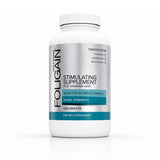
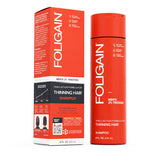
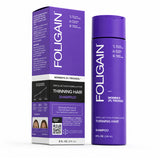
FOLIGAIN® Men's Hair Regrowth Kit with TRIOXIDIL® 10% and Minoxidil 5%
The FOLIGAIN® Men's Hair Regrowth Kit offers a comprehensive approach to addressing thinning hair, featuring a combination of Minoxidil 5% and TRIOXIDIL® formulas to support hair regrowth and scalp health. This kit includes a topical treatment, a specialized shampoo, and a hair growth supplement, all designed to work together for optimal results. With clinically proven ingredients and a focus on nourishing and fortifying hair follicles, this system aims to promote visibly thicker and fuller hair.
View Product