Benefits of Using Hair Loss Serums for Thinning Hair
Nov 06, 2026
Overview
If you're facing hair thinning or loss, understanding the underlying causes and the role of hair loss serums can significantly enhance your hair care routine. These specialized treatments not only target the biological factors contributing to hair loss but also promote a healthier scalp environment. By incorporating the right serums and maintaining consistency, you can take proactive steps toward achieving fuller, healthier hair.
Table of Contents
- Understanding Hair Loss
- Checklist of Common Hair Loss Causes
- What Are Hair Loss Serums?
- How Hair Loss Serums Work
- Comparison of Serum Types Based on Active Ingredients
- Key Ingredients in Hair Loss Serums
- TRICHOGEN®
- Minoxidil
- Natural Extracts
- Ingredient Glossary
- How to Use Hair Loss Serums Effectively
- Step-by-Step Application Guide
- Consistency is Key
- Avoid Immediate Washing
- Expected Results and Timeline
- Complementary Hair Care Products
- 1. FOLIGAIN® Minoxidil Shampoo
- 2. TRIOXIDIL® 10%
- 3. Healthy Lifestyle Choices
- Common Mistakes to Avoid
- 1. Skipping Applications
- 2. Expecting Overnight Results
- 3. Ignoring Adverse Reactions
- 4. Not Following Directions
Pros and Cons
| Advantages of Hair Loss Serums | Drawbacks of Hair Loss Serums |
|---|---|
| Support hair growth and improve scalp conditions. | Results may take 3 to 6 months to become noticeable. |
| Target DHT, a hormone linked to hair thinning. | Possible side effects like irritation or shedding. |
| Variety of options available based on active ingredients. | Consistency is crucial; skipping applications can hinder progress. |
| Can be used by both men and women. | May require additional complementary products for best results. |
Who It's For (And Not For)
Who It's For
- Individuals Experiencing Hair Thinning or Loss: If you are noticing signs of hair loss or thinning, hair loss serums can provide targeted support to help improve your hair health.
- Those with a Family History of Hair Loss: If genetics play a role in your hair concerns, using a serum may help mitigate the effects of hereditary hair loss.
- People Undergoing Hormonal Changes: If you are experiencing hormonal fluctuations due to pregnancy, menopause, or thyroid issues, serums can help address related hair thinning.
- Individuals Seeking Improved Scalp Health: If you are looking to enhance your scalp environment for better hair growth, hair loss serums can nourish and revitalize your scalp.
Who It's Not For
- Individuals Without Hair Loss Concerns: If you do not experience any signs of hair thinning or loss, a hair loss serum may not be necessary for your hair care routine.
- Those with Severe Scalp Conditions: If you have a serious scalp issue, such as psoriasis or dermatitis, it is advisable to consult a dermatologist before using hair loss serums.
- People Expecting Immediate Results: If you are looking for a quick fix, hair loss serums require consistent use over time, and results typically take several months to become noticeable.
- Individuals with Allergies to Active Ingredients: If you are allergic to any common ingredients found in hair loss serums, it is best to avoid these products to prevent adverse reactions.
Frequently Asked Questions
1. What are the common causes of hair loss?
2. How do hair loss serums work?
3. What key ingredients should I look for in hair loss serums?
4. How long does it take to see results from hair loss serums?
5. What are some common mistakes to avoid when using hair loss serums?
If you're experiencing hair thinning or loss, understanding the science behind hair loss and the benefits of hair loss serums can empower you to take control of your hair health. These serums are designed to support hair growth and improve scalp conditions, making them an essential tool in your hair care routine. Let’s explore the causes of hair loss and how serums can help.
Understanding Hair Loss
Hair loss is a common issue that affects many individuals, with various underlying causes. Identifying the specific reasons for your hair thinning can help you choose the most effective treatment. Here are some key points to consider:
- Genetics: A family history of hair loss can increase your likelihood of experiencing similar issues.
- Hormonal Changes: Factors such as pregnancy, menopause, or thyroid problems can lead to hair thinning.
- Environmental Factors: Pollution, stress, and poor nutrition can also contribute to hair loss.
- DHT's Role: Dihydrotestosterone (DHT) is a hormone linked to hair loss, as it can shrink hair follicles, leading to thinner hair.
Checklist of Common Hair Loss Causes
To help you identify the potential causes of your hair loss, consider the following factors:
- Family history of hair loss
- Recent hormonal changes
- High-stress levels or lifestyle changes
- Dietary deficiencies
- Environmental stressors
Understanding these factors can help you make informed decisions about your hair care regimen and the treatments you choose to incorporate.
What Are Hair Loss Serums?
Hair loss serums are specialized topical treatments formulated to support hair health. They typically contain active ingredients that target the biological factors contributing to hair thinning, such as DHT. These serums can be beneficial for both men and women, making them a versatile option in hair care.
How Hair Loss Serums Work
These serums are designed to penetrate the scalp and deliver essential nutrients directly to hair follicles. Here are some key aspects of how they function:
- Targeting DHT: Many hair loss serums include ingredients that help block DHT, which is crucial for maintaining healthy hair growth.
- Promoting Scalp Health: A healthy scalp environment is vital for hair growth, and serums often include nourishing compounds that support scalp vitality.
- Improving Hair Density: Regular use of hair loss serums can help improve the appearance of hair density, making it look thicker and fuller.
Comparison of Serum Types Based on Active Ingredients
When choosing a hair loss serum, it's essential to understand the different types available based on their active ingredients. Here’s a brief overview:
| Serum Type | Key Ingredients | Benefits |
|---|---|---|
| DHT Blockers | TRICHOGEN®, Saw Palmetto | Helps reduce DHT levels, promoting healthier hair growth. |
| Minoxidil-Based | Minoxidil | Clinically proven to stimulate hair regrowth. |
| Natural Extracts | Biotin, Caffeine | Nourishes hair follicles and strengthens hair strands. |
Each serum type has unique benefits, and understanding these can help you select the right product for your needs. Whether you choose a serum that targets DHT or one that focuses on nourishing your scalp, incorporating a hair loss serum into your routine can be a game changer.
Key Ingredients in Hair Loss Serums
Understanding the ingredients in hair loss serums is essential for making informed choices about your hair care routine. These serums often contain a blend of active components designed to support hair health and combat thinning. Here’s a closer look at some key ingredients:
TRICHOGEN®
TRICHOGEN® is a proprietary nutrient complex known for its role in promoting thicker-looking hair. It works by nourishing the hair follicles and creating a healthier scalp environment. This is particularly beneficial for individuals concerned about the effects of DHT on hair thinning. Regular use of serums containing TRICHOGEN® can help improve the overall appearance of hair density.
Minoxidil
Minoxidil is perhaps the most recognized ingredient in hair regrowth treatments. It is FDA-approved for topical use and has been extensively studied for its effectiveness in stimulating hair growth. By increasing blood flow to hair follicles, Minoxidil can help revitalize shrunken hair follicles, leading to thicker hair strands. Many users begin to notice improvements within a few months of consistent application.
Natural Extracts
Many hair loss serums also incorporate natural extracts, which offer additional nourishment to the scalp and hair follicles. These ingredients may include:
- Biotin: A vitamin that supports hair health and strength.
- Ginseng: Known for its potential to enhance scalp circulation.
- Aloe Vera: Provides hydration and soothes the scalp.
These natural components can complement the primary active ingredients, leading to a more holistic approach to hair care.
Ingredient Glossary
| Ingredient | Benefits |
|---|---|
| TRICHOGEN® | Supports thicker-looking hair and nourishes follicles. |
| Minoxidil | Stimulates hair growth by increasing blood flow to follicles. |
| Biotin | Strengthens hair and supports overall hair health. |
| Ginseng | Enhances scalp circulation, promoting healthier hair. |
| Aloe Vera | Hydrates and soothes the scalp, reducing irritation. |
How to Use Hair Loss Serums Effectively
Maximizing the benefits of hair loss serums requires proper application and consistency. Here are some practical tips to ensure you get the most out of your serum:
Step-by-Step Application Guide
- Cleanse Your Scalp: Start with clean, dry hair. Use a gentle shampoo, such as FOLIGAIN® Minoxidil Shampoo, to prepare your scalp. This will help remove excess oils and impurities.
- Apply the Serum: Part your hair in sections to expose your scalp. Use the dropper or applicator to apply the serum directly onto the scalp. Focus on areas experiencing thinning.
- Massage Gently: After application, gently massage the serum into your scalp using your fingertips. This will help improve absorption and stimulate blood flow.
- Allow Absorption: Avoid washing your hair for at least 4 hours after application. This allows the serum to penetrate effectively into the scalp.
- Follow a Routine: For best results, apply the serum daily, preferably at the same time each day. Consistency is key to seeing improvements.
Consistency is Key
Using hair loss serums consistently is crucial for achieving desired results. Set reminders or incorporate the application into your daily routine to avoid skipping days. Remember, hair growth takes time; patience and commitment will yield the best outcomes.
Avoid Immediate Washing
It’s essential not to wash your hair immediately after applying the serum. Giving the product time to absorb allows the active ingredients to work effectively. If you must wash your hair, plan your serum application accordingly to ensure optimal benefits.
Expected Results and Timeline
Understanding the timeline for results when using hair loss serums is crucial for setting realistic expectations. Results can vary significantly based on individual factors such as genetics, age, and the severity of hair loss.
For most users, improvements may start to become noticeable within a period of 3 to 6 months of consistent use. However, it’s important to remember that hair growth is a gradual process and patience is key.
Here’s a general timeline to help you gauge what to expect:
| Time Frame | Expected Results |
|---|---|
| 0-3 Months | Initial use; no visible changes expected. The scalp may begin to feel healthier. |
| 3-6 Months | Noticeable improvements in hair thickness and volume; some users may see new hair growth. |
| 6-12 Months | Significant results in hair density and overall health; continued use is essential for maintaining results. |
To maximize effectiveness, it’s crucial to use the serum consistently and as directed. Skipping applications can hinder progress and delay results.
Complementary Hair Care Products
To enhance the effectiveness of hair loss serums, consider incorporating complementary hair care products into your routine. These products can work synergistically to promote hair health and support your hair regrowth treatment.
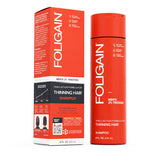
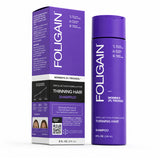
1. FOLIGAIN® Minoxidil Shampoo
Using a supportive shampoo like FOLIGAIN® Minoxidil Shampoo can significantly boost the results of your hair loss serum. This shampoo is formulated to cleanse the scalp while providing essential nutrients that can support hair growth.
2. TRIOXIDIL® 10%
For added support, consider incorporating TRIOXIDIL® 10% into your hair care regimen. This topical treatment is designed to enhance hair growth and may offer additional benefits when used alongside your serum.
3. Healthy Lifestyle Choices
Don't underestimate the impact of a healthy lifestyle on hair health. Factors such as nutrition, hydration, and stress management play a significant role in the condition of your hair. Here are some tips:
- Nutrition: Consume a balanced diet rich in vitamins and minerals, particularly those known to support hair health like biotin, zinc, and vitamins A, C, and E.
- Hydration: Drink plenty of water to keep your body and scalp hydrated.
- Stress Management: Engage in activities that reduce stress, such as yoga, meditation, or regular exercise.
Incorporating these complementary products and lifestyle choices can create a more holistic approach to managing hair loss and enhancing the effects of your hair loss serums.
Common Mistakes to Avoid
When using hair loss serums, avoiding common pitfalls can significantly improve your chances of success. Here are some mistakes to steer clear of:
1. Skipping Applications
Consistency is crucial when using hair loss serums. Skipping applications can lead to suboptimal results. Make it a part of your daily routine to ensure you don’t forget.
2. Expecting Overnight Results
Hair growth takes time, and expecting immediate results can lead to disappointment. Understand that noticeable changes usually take several months and that patience is a vital component of your hair care journey.
3. Ignoring Adverse Reactions
If you experience any adverse reactions such as irritation or excessive shedding, consult a dermatologist. They can provide guidance on whether to continue using the product or suggest alternatives.
4. Not Following Directions
Always follow the application instructions provided with your hair loss serum. This ensures that you’re using the product effectively and safely.
By avoiding these common mistakes, you can set yourself up for a more successful experience with hair loss serums, ultimately leading to healthier and fuller-looking hair.
Embracing a comprehensive approach to hair care, including using effective serums and complementary products, can make all the difference in achieving your desired hair health goals.
Glossary
| Term | Meaning |
|---|---|
| Hair Loss | The thinning or loss of hair from the scalp or body. |
| DHT | Dihydrotestosterone, a hormone linked to hair loss. |
| Serum | A topical treatment designed to promote hair health. |
| TRICHOGEN® | A proprietary complex that supports thicker hair growth. |
| Minoxidil | An FDA-approved ingredient that stimulates hair regrowth. |
| Biotin | A vitamin that strengthens hair and supports overall health. |
| Scalp Health | The condition of the scalp, crucial for hair growth. |
| Consistency | Regular application of serums for effective results. |
| Adverse Reactions | Negative responses to products, such as irritation or shedding. |
| Complementary Products | Additional hair care items that enhance serum effectiveness. |
Linked Product

FOLIGAIN® DHT Hair and Scalp Care Serum with 12% TRICHOGEN®
FOLIGAIN® DHT Hair and Scalp Care Serum features a 12% TRICHOGEN® Nutrient Complex designed to support the appearance of thicker, fuller hair for both men and women. This lightweight serum absorbs quickly to nourish the scalp and enhance the look of hair density, making it suitable for those concerned about thinning hair. Additionally, the formula is free from parabens, sulfates, and phthalates, and is cruelty-free.
View Product